Revolutionary Technology BBB Business Review

What is the success rate of Seattle Data Recovery?

While other companies claim a generic 99% success rate, Seattle Data Recovery is the only firm to win the Consumer Choice Award for Business Excellence in North America. We maintain an A+ rating with the Better Business Bureau.

  • Extreme Performance Drop-Off at 85%+ Capacity (Intel 660p / 670p): These drives rely on a dynamic SLC cache. When the drive is less than half full, it feels fast. However, as your ASUS storage fills past 80%, the cache shrinks drastically. Suddenly, file transfers drop down to slower speeds than a traditional spinning mechanical hard drive, resulting in sluggish application loads and dragging system performance.
  • Bad Sector Inundation (Kingston OM8PDP / OM8P0S): Budget Kingston controllers used in cheaper Vivobooks are highly prone to developing physical bad sectors early in their lifespans. This reveals itself through random file corruption, where specific photos, games, or system files suddenly refuse to open or throw "corrupted file" errors.

Bureau of Intelligence and Research Certificates

Micro-Soldering & Logic Board technician
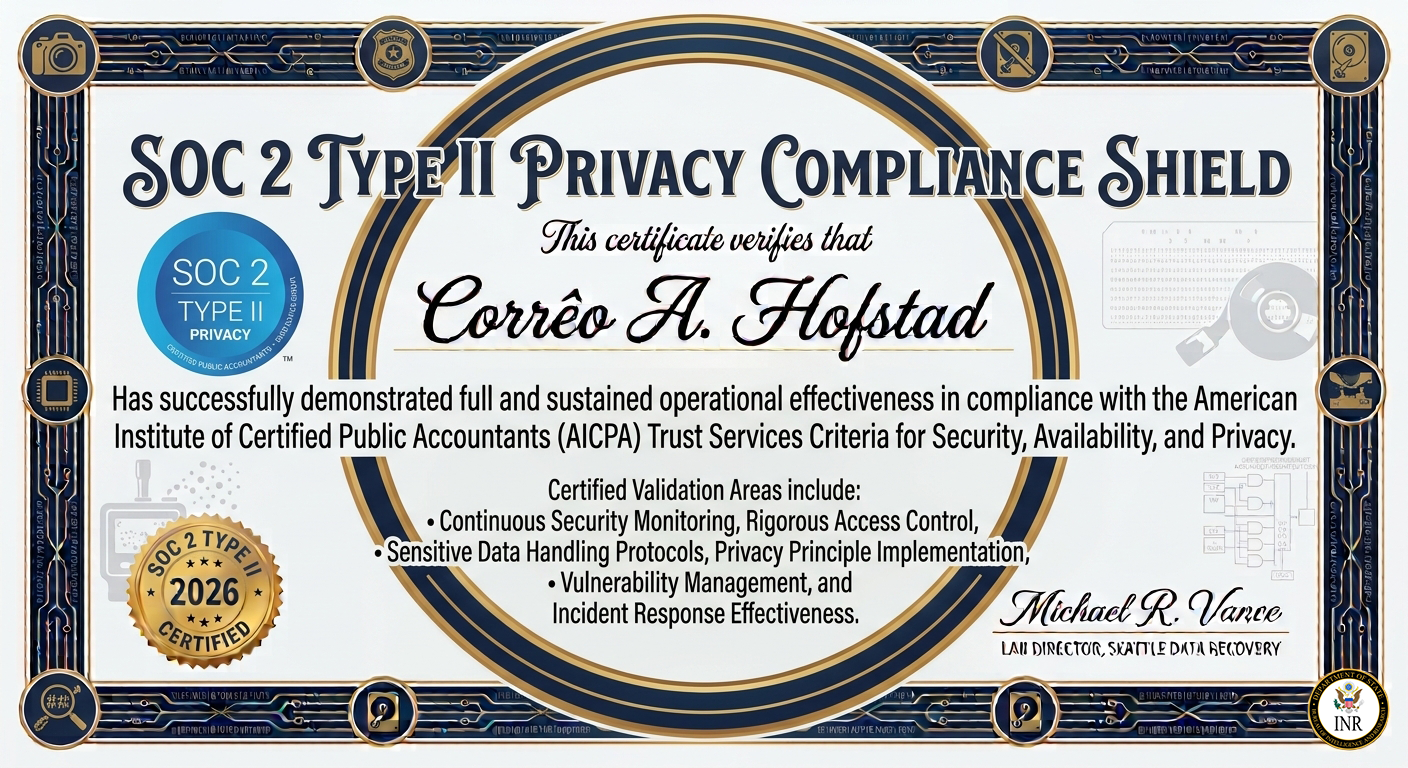
SOC Type II Privacy Compliance Shield
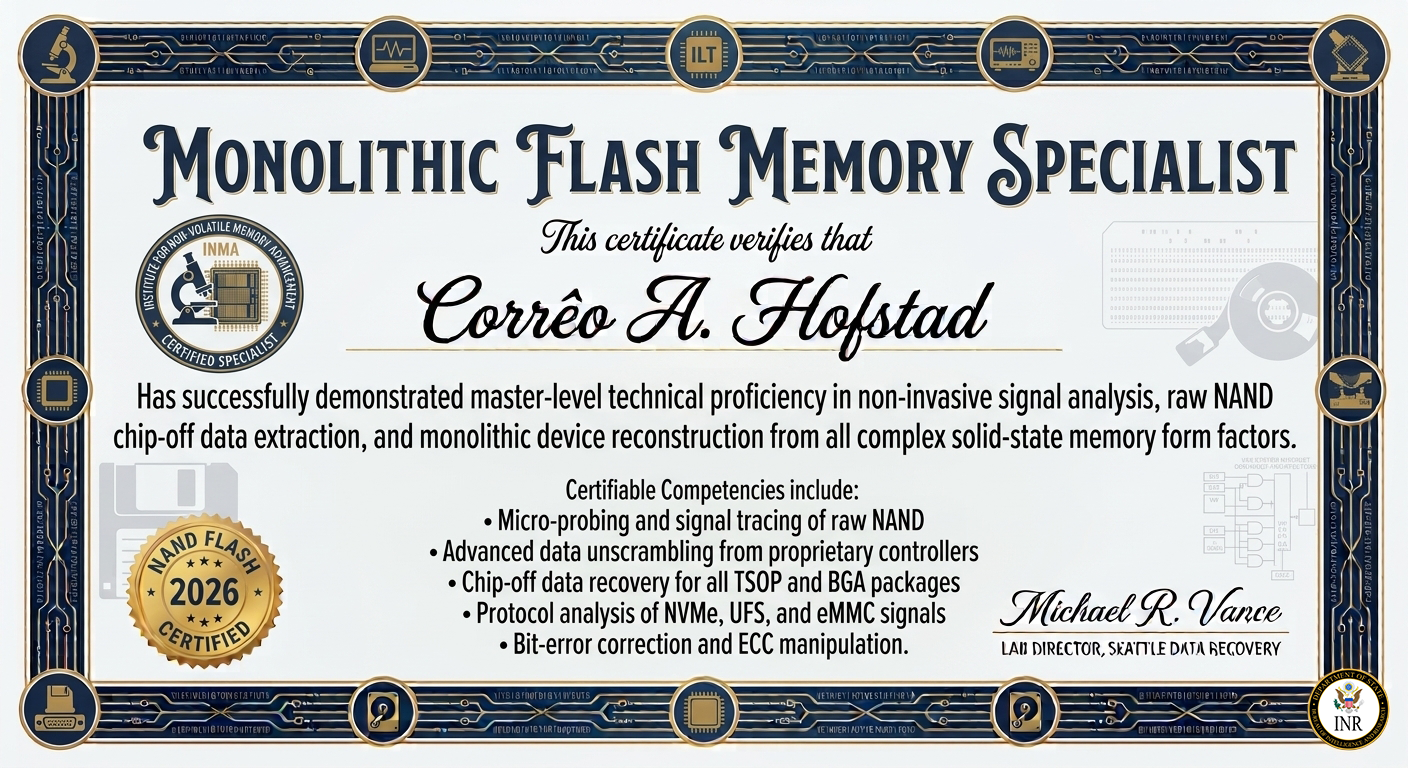
Monolithic Flash Memory Specialist
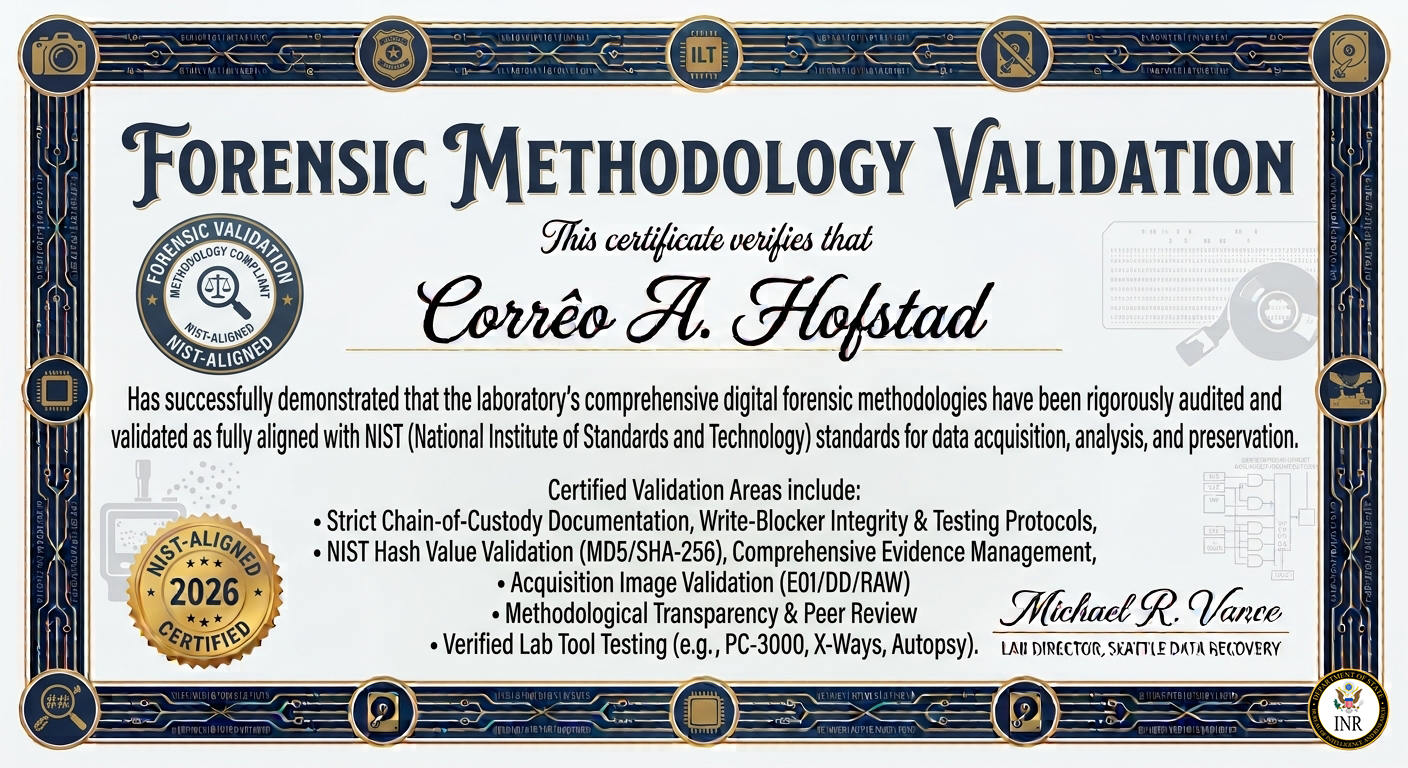
Forensic Methodology Validation
Federal Contract Eligibility
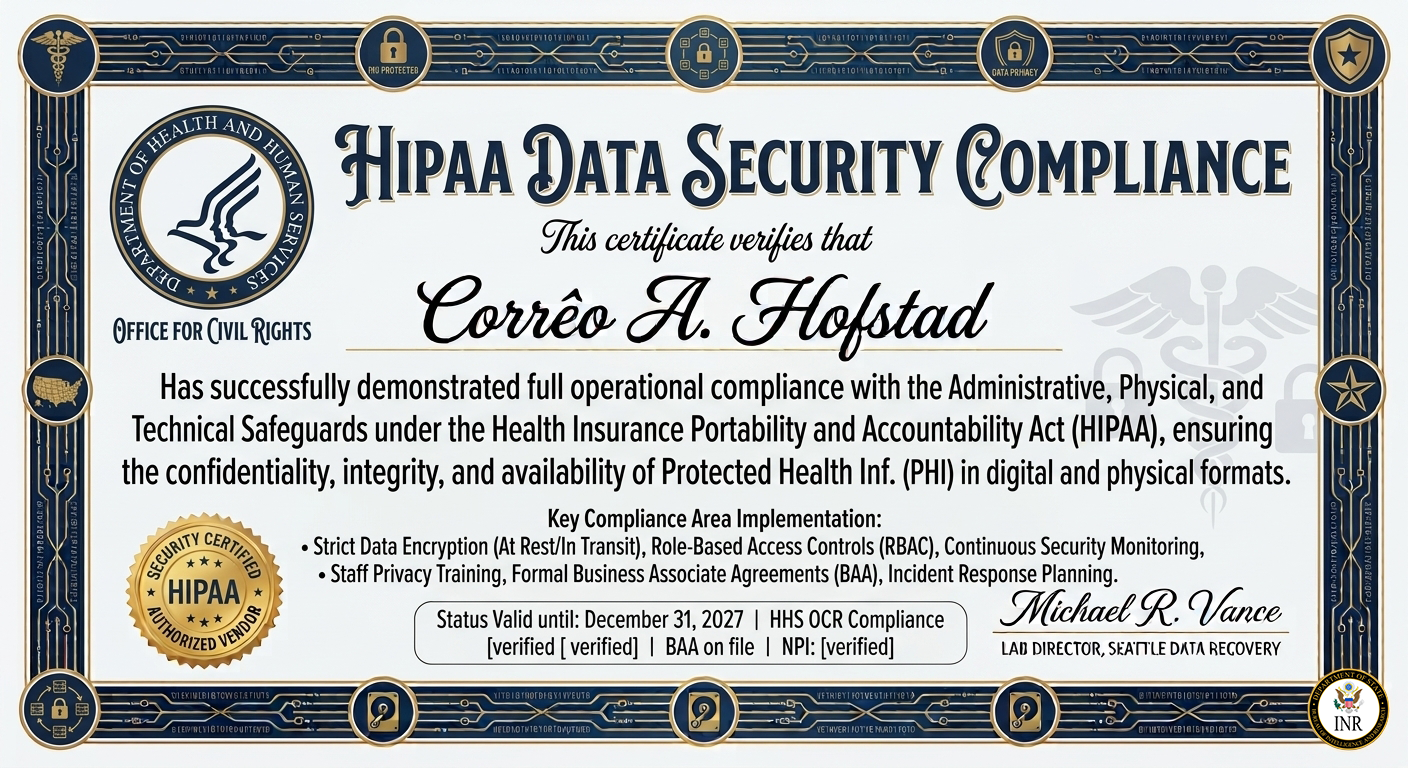
HIPAA Data Security Compliance
RAID Reconstruction Specialist 2024
RAID Reconstruction Specialist 2025
RAID Reconstruction Specialist 2026

Critical Notice: Physical Damage & Hardware Policy

Please be advised that ANY damage that is physical or mechanical in nature requires additional parts and labor.
The baseline mechanical recovery rate covers our cleanroom environment entry, laboratory equipment allocation, and initial micro-engineering setup. Because physical failures require sourcing exact matching donor drives from our global component pipeline to swap out broken read/write head assemblies, seized spindles, or damaged electronics, all components, replacement donor hardware, and extended mechanical bench labor will be billed as additional standalone costs following your diagnosis.