Pricing

Our Honest Approach to Data Recovery Diagnostics and Pricing
At Seattle Data Recovery, we believe in complete transparency from the moment you hand your device to our team. Before any recovery begins, our engineers must perform a deep, forensic evaluation of your media to determine the exact failure mode. To maintain this elite standard of engineering, we implement an honest, non-refundable diagnostics fee that directly supports our operational costs.
What Your Diagnostics Fee Covers
Developing a highly precise recovery strategy requires significant resources. Your one-time diagnostic fee goes directly toward:
-
Investigative Engineering Labor: A senior data recovery engineer personally isolates your drive under a microscope or connects it to advanced hardware emulators to read your system's raw microcode tables.
-
Specialized Hardware Costs: We utilize industry-leading diagnostic stacks, micro-soldering gear, and hardware write-blockers that safely interact with failing media without modifying your original files.
Guiding Your Final Price: Our "No Data, No Cost" Guarantee
Once our diagnostic investigation is complete, we present you with a comprehensive report detailing the exact physical or logical failure of your drive, alongside a firm, fixed-rate quote for the actual data extraction.
The recovery phase itself is backed by our strict "No Data, No Cost" policy. If our engineers discover that your drive's storage silicon or magnetic platters are too severely compromised to salvage your target files, you pay absolutely nothing for the recovery attempt. You only pay for the recovery when your critical records, corporate databases, or family photos are successfully rescued.
- Details
- Written by: Seattle Data Recovery
- Category: Pricing
Medical buildings offer high-level security and strict compliance frameworks, making them the ideal operational environment for a data recovery laboratory like Seattle Data Recovery.
When individuals or organizations lose critical files, the primary concern is not just getting the data back, but ensuring it does not fall into the wrong hands. Operating out of a medical facility provides structural, legal, and operational advantages that directly protect sensitive client data.
Built-In HIPAA Compliance and Legal Safeguards
Medical buildings are architecturally and legally designed to satisfy the Health Insurance Portability and Accountability Act (HIPAA).
- Regulatory Alignment: Because the facility naturally complies with strict federal healthcare laws, a data recovery firm inside it easily aligns with data privacy regulations.
- Healthcare Client Readiness: This environment makes the firm uniquely equipped to handle data drives coming directly from hospitals, private clinics, and dental practices that legally require a secure chain of custody.
- Non-Medical Benefit: This high legal baseline extends to corporate, legal, and personal clients, ensuring their financial records, intellectual property, or personal memories are handled under standard healthcare-grade privacy rules.
Advanced Physical Security Infrastructures
Healthcare facilities require robust physical protection to secure patient records and high-value medical equipment. A data recovery business leverages this existing infrastructure:
- Controlled Building Access: Medical centers frequently employ biometric scanners, electronic keycard locks, onsite security guards, and 24/7 video surveillance.
- Restricted Zones: Vagrants or unauthorized visitors cannot easily wander near the data laboratory doors, heavily reducing the risk of physical theft.
- Protected Chain of Custody: Storage drives containing sensitive information remain protected from the moment they are dropped off at the building until they are returned to the client.
Superior Environmental and Power Infrastructure
Data recovery requires specialized lab environments, such as ISO-certified cleanrooms, to safely open and repair damaged hard drives without exposing internal platters to microscopic dust. Medical buildings offer the perfect structural skeleton for this:
- Industrial HVAC and Filtration: Medical facilities utilize highly advanced heating, ventilation, and air conditioning systems designed to minimize airborne contaminants and regulate humidity.
- Emergency Backup Power: Hospitals and medical office buildings are legally required to have robust, industrial-grade backup generators. In the event of a municipal power grid failure, the data recovery lab won't lose power mid-transfer, preventing catastrophic media corruption during delicate recovery processes.
- Structural Stability: These buildings are constructed to minimize vibrations caused by outside traffic or internal foot traffic, protecting sensitive calibration equipment and microscope-guided drive head replacements.
Professional Trust and Credibility
A business's physical location heavily influences consumer trust, especially when clients are handing over laptops, servers, or external drives containing their entire digital lives.
- Vetted Environment: Operating out of a professional medical complex instantly separates a high-end lab from basement operations or unvetted retail shops.
- Centralized Accessibility: Medical buildings are typically located in easily accessible, well-lit professional districts with ample parking and clear transit options, making data drop-offs low-stress for anxious clients.
- Details
- Written by: Seattle Data Recovery
- Category: Pricing
The Toxic Reality of Chip-Off Data Recovery: Lead, Acid, and High Thermal Risks and Pricing
Performing a chip-off data recovery operation—especially on a severely water-damaged or physically crushed device—is one of the most hazardous processes in the electronics engineering industry. Because it moves the case out of standard diagnostics and into heavy chemical, thermal, and metallurgical manipulation, any chip-off data recovery will instantly double the baseline price.
The extreme price surge reflects the hazardous nature of the cleanroom lab environment. Technicians must routinely handle neurotoxic metals, volatile acids, extreme thermal energy, and surgical-grade sharp tools under high-magnification stereomicroscopes.
The Core Hazards of Advanced Chip-Off Operations
1. The Neurotoxic Risk of Lead-Based Solder Fumes
While modern consumer electronics utilize lead-free solder alloys due to environmental regulations, advanced board-level forensic repair routinely requires the introduction of leaded solder (60/40 or 63/37 alloys). Leaded solder is used by cleanroom engineers because it melts at a significantly lower temperature than lead-free alternatives, protecting fragile 3nm Apple Silicon processors from catastrophic thermal damage during chip transplants.
Melting leaded solder releases highly toxic heavy metal particulates and volatilized lead smoke. Inhaling these fumes poses acute workplace dangers:
- Neurological Damage: Inhaled lead particles directly enter the bloodstream, causing cognitive decline, chronic headaches, and central nervous system damage.
- Respiratory Distress: The chemical rosin fluxes mixed into the solder core release intense fumes that cause chronic occupational asthma, eye inflammation, and severe respiratory tract scarring.
- Bioaccumulation: Lead accumulates in human bones and organs over time, requiring laboratories to invest in expensive local fume-extraction arms, custom charcoal air filtration, and strict heavy-metal decontamination protocols.
2. Corrosive Chemical and Acid Stripping
To extract a physical NAND flash memory chip from a corroded or battery-damaged motherboard, engineers cannot simply pull it off. Modern logic boards use incredibly tough epoxy underfills and conformal coatings to shield components from moisture.
To clear this adhesive away without breaking the microscopic silicon pins beneath the chip, technicians must apply highly corrosive chemical solvents and specialized acids.
- Toxic Gassing: When these acids make contact with oxidized battery residue or copper board traces, they release toxic volatile organic compounds (VOCs).
- Chemical Burns: Handled under micro-pipettes, a single accidental splash can cause irreversible skin deep-tissue chemical burns or immediate blindness if eye barriers fail.
3. Extreme Thermal Manipulation (350°C+)
To safely liquidize the solder balls underneath a dense Ball Grid Array (BGA) chip, engineers must deploy professional-grade hot air rework stations and infrared pre-heaters operating between 200°C and 350°C+.
- Explosion Risks: Applying this extreme heat to a logic board that has been contaminated by exploded lithium-ion battery acid creates a severe thermal explosion hazard.
- Board Delamination: If the heat is mismanaged by a single degree, moisture trapped inside the fractured PCB layers will violently vaporize, causing the board to "popcorn" and permanently shattering the internal memory cells.
4. Micro-Abrasive Milling & Surgical-Grade Sharp Tools
When a logic board is too warped or bent to safely desolder the chip from the top, technicians must use CNC micro-milling machinery or high-speed rotary dremels to physically grind away the back of the motherboard until the chip's internal pads are exposed.
- Inhalation of Fiber Debris: This mechanical milling fills the immediate air with microscopic fiberglass shards and reinforced epoxy dust, which act like asbestos in the lungs if inhaled.
- Precision Sharp Injuries: Under a 40x stereomicroscope, engineers must use surgical-grade scalpels, dental picks, and razor-sharp scraping tools to manually pry away the softened epoxy underfill. Working with extreme precision under a microscope means an engineer's depth perception is restricted; a single slip with a razor-sharp tool can sever delicate traces on the chip or cause puncture wounds to the technician.
Why the Price Doubles
Because of these compounding liabilities, a chip-off operation is never billed as a standard repair. Laboratories must absorb the cost of industrial safety compliance, hazardous waste disposal, heavy metal air-monitoring systems, and highly compensated engineering specialists who risk daily exposure to toxic lead, flames, and corrosive chemicals.
When a client authorizes a chip-off recovery, the second invoice reflects the steep premium required to run an industrial chemical and metallurgical operation safely inside a certified forensic cleanroom.
- Details
- Written by: Seattle Data Recovery
- Category: Pricing
The Macroeconomic and Structural Reality of Elite Forensic Data Recovery
The operational cost of conducting highly advanced forensic data recovery shifts dramatically based on local labor dynamics and the stringency of the physical working environment. Washington State maintains the highest state-level labor cost architecture in the United States, setting a premium baseline that directly influences non-minimum wage expert pricing.
As a Consumer Choice Award winner for all of North America, our facility does not operate within standard retail constraints. Our pricing directly reflects the elite, clinical-grade standards required to recover data safely under the most rigid environmental, legal, and security protocols in the nation.
Regional Minimum Wage Floors & The Skilled Labor Ripple Effect
When evaluating labor standard floors across key economic regions, the baseline cost of operating in the Pacific Northwest stands at the absolute top of the market:
| Region | Hourly Minimum Wage Baseline | Index vs. Federal Floor | Local Cost Impact on Advanced Lab Engineering |
|---|---|---|---|
| City of Seattle, WA | $21.30 / hr | +193% | Extreme local technical overhead; forces proportional scaling for non-minimum wage technical experts. |
| Washington State (General) | $17.13 / hr | +136% | Highest state-level baseline in the country. Elevates the operational floor for all laboratory infrastructure. |
| California | $16.90 / hr | +133% | Highly competitive, yet sits below Washington's baseline standard floor. |
| New York State | $16.00 / hr | +120% | Baseline floor rests lower, translating to lower baseline operational overhead outside city centers. |
| Federal Minimum Wage | $7.25 / hr | Baseline | Unchanged since 2009; completely unaligned with professional industrial lab realities. |
Because the baseline wage floor in Seattle is exceptionally high, the compensation required for elite engineering specialists must scale symmetrically upward. A professional micro-soldering surgeon or forensic data examiner commands a premium salary that reflects both Washington's competitive tech ecosystem and the complex nature of the data recovery field.
The Specialized Medical Building Standard
Our clinical intake and operations reside strictly within a medical professional building. By regulation, only medical doctors and healthcare professionals are permitted to operate within this facility. To maintain our presence alongside clinical practices, our entire data recovery team must operate under the same elite standards as healthcare professionals.
- The Most Educated Staff in the Industry: Because we operate in an environment restricted to medical professionals, our staff consists of top-tier technical minds holding the latest technology certifications and advanced forensic credentials. You are not handing your critical evidence to retail technicians; you are consulting with highly educated data specialists.
- Guaranteed HIPAA Compliance: Operating out of a medical center means our data handling protocols are built from the ground up to meet full medical-grade security. We provide an absolute guarantee of HIPAA compliance, ensuring that sensitive corporate data, personal health information (PHI), and confidential legal evidence are subjected to strict encryption and rigorous access controls.
- Fortified Medical-Grade Waste Disposal: Security extends to our physical waste stream. All destroyed components, logic boards, and storage remnants are processed through a secure medical garbage system. This waste infrastructure is completely inaccessible to outsiders and heavily locked down, rendering it physically impossible for unauthorized third parties to intercept or scavenge discarded silicon pieces or hardware.
Balancing Clinical Consultation with Industrial Lab Execution
While our medical building setting guarantees absolute data security and elite staffing, it introduces unique operational logistics that drive our secondary billing tiers.
We cannot melt lead, vent acid fumes, or operate open flames inside a hospital or medical professional building.
Because an advanced chip-off recovery requires handling neurotoxic leaded solders, volatile rosin fluxes, high-heat rework stations (350°C+), and surgical cutting tools, the physical execution must be divided into a highly coordinated multi-site workflow:
- Clinical Intake & Authentication: Securely executed under HIPAA guidelines within our medical professional building suite.
- Secure HIPAA Transport: Physical media must be moved between the medical building and our heavy industrial laboratory via certified, chain-of-custody transport mechanisms that keep the data shielded from external liabilities.
- Industrial Cleanroom Execution: Conducted at our specialized off-site industrial facility equipped with appropriate local chemical fume extraction, heavy metal containment, and Class-100 cleanroom environments.
The True Cost of Expertise
When dealing with water-damaged, dropped, or fire-ravaged electronics, an advanced chip-off recovery will at least double the baseline price. Our clients are investing directly in North America's top consumer-recognized data recovery brand, operating under strict medical-grade safety protocols, with the most highly certified engineering staff in the state of Washington.
- Details
- Written by: Seattle Data Recovery
- Category: Pricing
Moving Beyond Diagnosis: Advanced Hardware Repair Requires Additional Billing in Extreme Data Recovery Cases
When a storage device or computer arrives at a specialized laboratory in a state of catastrophic physical failure—whether crushed, severely water-damaged, or corroded by an exploded lithium-ion battery—the roadmap to data recovery looks vastly different from a standard software scan. For clients and forensic investigators alike, understanding the structural and economic boundary between a Diagnostic Phase and an Active Hardware Repair Phase is critical to managing project expectations and legal workflows.
At Seattle Data Recovery, our strict operational guidelines ensure transparency: we do not provide free repairs, nor do we absorb the cost of donor hardware parts. When dealing with heavily compromised equipment, a multi-stage billing structure is not just a standard administrative practice—it is an absolute technical necessity.
Phase 1: The Diagnostic Evaluation (The Initial Investment)
Every case begins with an upfront diagnostic fee. This non-refundable charge covers the highly specialized labor, cleanroom infrastructure, and initial engineering hours required to evaluate the physical viability of a device.
During this initial phase, technicians utilize diagnostic tools, high-magnification stereomicroscopes, and thermal imaging cameras to:
- Determine if the critical storage media (such as NAND flash microchips) survived the initial trauma.
- Identify hidden short circuits across primary voltage rails.
- Assess whether the cryptographic engines (like Apple’s Secure Enclave) are intact.
The diagnostic fee guarantees an expert roadmap and a definitive assessment of whether the data is physically salvageable. It does not include the cost of heavy industrial reconstruction or donor hardware procurement required to actually retrieve that data.
Phase 2: The Transition to the Second Invoice (Advanced Repair & Extraction)
Once a device is deemed a candidate for recovery, engineers must shift out of the passive diagnostic state and into active, highly invasive board-level reconstruction. This shift triggers a second invoice to cover the true mechanical and chemical labor required to salvage the information.
When equipment is heavily damaged, data recovery engineers must essentially act as micro-surgeons, rebuilding a functional electrical bridge to the encrypted storage media. This secondary billing layer accounts for three critical variables:
1. Hardware Repair is a Pathway, Not a Guaranteed Resolution
In cases of extreme trauma, repairing a circuit board is merely the vehicle used to attempt data extraction. A device may require hours of painstaking micro-soldering, track jump-wiring, and chip transplantation onto a donor board just to get the system to turn on and authenticate a security handshake.
However, even if the board is successfully repaired to an operational state, the internal data itself may still prove to be unrecoverable due to microscopic cell degradation, firmware corruption, or irreversible electrical overstress that occurred during the initial accident. The secondary invoice covers the specialized labor and execution of these high-risk procedures, regardless of the final cryptographic outcome.
2. Donor Parts and Specialized Machinery Logistics
When components are missing, fractured, or corroded, they must be replaced. Finding exact matching logic boards, matching component revisions, and donor chips requires drawing from extensive, costly internal inventories or sourcing rare hardware components globally. Because these donor parts are permanently consumed or altered during the microsurgery process, their procurement costs are factored directly into the active recovery invoice.
3. Hazmat Mitigation and Industrial Environmental Overhead
Heavily damaged electronics often bring physical hazards into a laboratory. Devices exposed to prolonged environmental moisture or thermal runaway events are covered in toxic battery oxides, corrosive scale, and heavy chemical residue.
Clearing these hazards requires industrial ultrasonic cleaning cycles using non-conductive solvents and specialized chemical fume extraction. This rigorous stabilization process protects both the delicate silicon traces and the health of the cleanroom technicians handling the board, commanding its own dedicated operational billing line item.
Maintaining a Transparent Forensic Path
By breaking down the data recovery pipeline into a multi-tiered billing format—an initial diagnostic fee followed by a comprehensive active repair and extraction invoice—forensic laboratories protect the chain of custody and maintain clear financial tracking.
This honest approach ensures that clients understand they are investing in the elite technical expertise, specialized lab environments, and industrial-grade processes necessary to give their critical data its single best chance at survival.
- Details
- Written by: Seattle Data Recovery
- Category: Pricing
Catastrophic variables like water damage, structural drops, fire exposure, and sophisticated cyberattacks instantly inflate the engineering cost of data recovery by at least 30% across the board.
These severe conditions elevate pricing because they push a case out of standard logical recovery and into high-risk, multi-layered physical and forensic reconstruction.
📈 Why Catastrophic Events Command a 30%+ Premium
- Multi-Layered Compound Failures: A simple hardware failure involves swapping a single part. A dropped, water-damaged, or burned device suffers from compounded trauma. For instance, a fire or water event doesn't just destroy components—it triggers a thermal runaway or intense corrosion that actively eats away at the 3nm or 5nm silicon traces while the device sits in storage.
- The Consumption of Donor Hardware: Physical impacts and fires warp or shatter the base logic boards. To attempt a recovery, engineers must buy and completely sacrifice multiple identical donor devices to salvage rare matching components, logic boards, and ICs. These parts are permanently consumed during the micro-surgery process, and their procurement costs are passed directly into the active recovery invoice.
- Intense Computational and Forensic Labor: In cyberattacks or ransomware scenarios, engineers aren't just fighting bad hardware; they are battling malicious cryptographic locks. Reconstructing damaged file allocation tables, reversing encryption blocks, or emulating secure boot pathways requires hundreds of hours of high-level security engineering that standard diagnostic routines cannot cover.
- Hazmat and Environmental Liability: Fire soot, toxic battery leaks, and chemical contaminants cannot simply be brushed off. They require specialized fume extraction hoods, chemical neutralizing baths, and Class-100 cleanroom isolation to protect the lab's air quality and the physical safety of the technicians.
Ultimately, when a device undergoes severe trauma, the second invoice reflects the extraordinary overhead required to safely stabilize the hardware environment before a single bit of data can even be targeted.
Subcategories
Data Recovery Diagnosis: Transparent, Secure, and Risk-Free
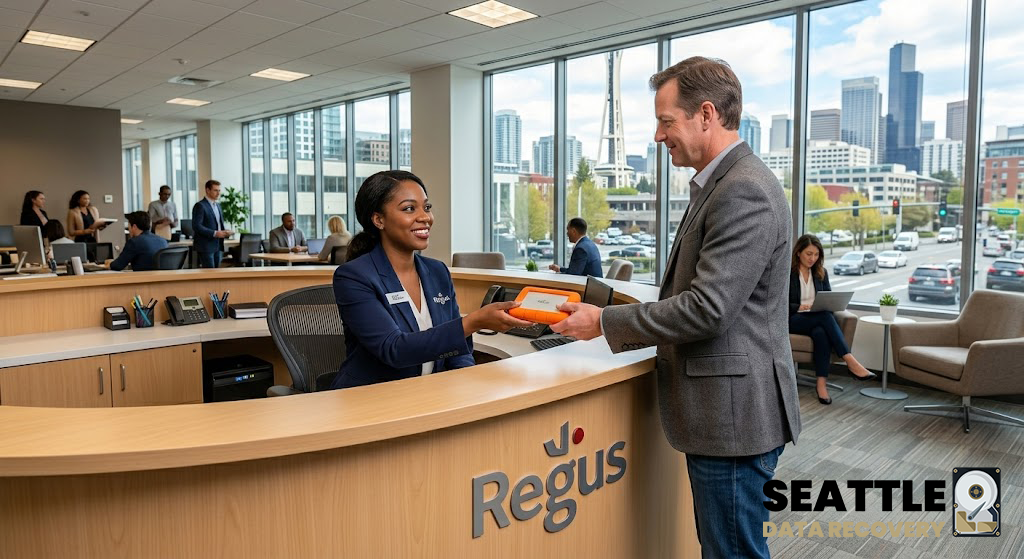
To successfully rescue data from a failed storage device, an engineer must treat the hardware with the same diagnostic precision used in a medical laboratory. Hard disk drives (HDDs) and solid-state drives (SSDs) are highly complex pieces of micro-engineering. When a drive drops offline, identifying the exact root cause requires a meticulous process of elimination that spans dozens of individual components.
Because diagnosing modern storage hardware demands intense manual labor and highly specialized cleanroom infrastructure, we cannot offer any free work, free appointments, or complimentary diagnostic time.
The Complex Matrix of Points of Failure
On an average storage device, there are dozens of distinct physical, electronic, and internal microcode components that can experience a critical failure:
Inside a Mechanical Hard Disk Drive (HDD)
- The Printed Circuit Board (PCB): Contains the primary motor controller chip, smoothing capacitors, transient voltage suppression (TVS) diodes, and the vital ROM chip holding the drive's unique startup microcode. An electrical surge can burn out any one of these individual components.
- The Head Assembly & Slider: The physical arms that read data. A mechanical failure can damage the microscopic inductive read/write elements, bend the suspension arms, or short-circuit the internal pre-amplifier chip mounted right on the head stack.
- The Spindle Motor & Bearings: The physical motor that spins the platters. Impact trauma can fracture the fluid dynamic bearings or seize the spindle motor entirely, preventing the platters from spinning.
- The Magnetic Platters: The physical discs where data is stored. Platters can suffer from localized magnetic degradation, surface scratches, or complete concentric ring damage (platter score) from a physical head crash.
- The Microcode & Service Area System: Hidden system tracks on the platters that hold the drive's operational firmware, translator tables, and bad block lists. Corruption in any of these software modules will cause the drive to brick itself.
Inside a Solid-State Drive (SSD)
- The Flash Controller Chip: The main processor that manages data placement. If the controller chip encounters a severe electronic short or overheating failure, the entire drive drops dead.
- The NAND Flash Memory Microchips: The individual silicon storage chips. Over time, individual memory cells wear out, or a power loss can corrupt the critical page allocation tables, locking the chip into a read-only or unrecognizable state.
- The Power Management Integrated Circuit (PMIC): Routes electrical voltage across the drive. A shorted coupling capacitor or a blown resistor will block electricity from reaching the memory chips.
- The Translation Layer (Firmware): The complex internal software mapping that translates physical flash cells into recognizable computer files. If an unexpected power drop corrupts this background mapping, the drive cannot initialize.
Finding the Break Takes Time: Hours to Days of Investigative Labor
Isolating the specific failure point across this complex matrix is never an instantaneous process. There is no simple push-button software that can tell an engineer why an SSD is unresponsive or why a server drive is clicking.
Finding the exact break requires an engineer to manually reverse-engineer the device's behavior:
- Electronic Tracing: Testing individual surface-mount resistors, capacitors, and power rails under a high-power microscope using a multimeter to isolate power delivery failures.
- Microcode Disassembly: Connecting the drive to advanced hardware emulators to safely read the internal system area, bypass standard operating system drivers, and step through the firmware boot sequence line by line to locate corrupted software sectors.
- Physical Cleanroom Inspection: Carefully opening a mechanical drive inside our sterile Certified ISO 3 Cleanroom to visually inspect the condition of the magnetic platters and evaluate the microscopic wear on the read heads.
This exhaustive investigative process routinely takes hours or even several days of dedicated bench time just to map out the failure and design a safe, highly tailored extraction resolution that will not destroy your files during the actual recovery phase.
Our Strict Policy: No Free Work, Free Appointments, or Free Bench Time
Operating a highly secure, specialized laboratory inside the University of Washington Medicine Building in Ballard requires an uncompromising standard of corporate professionalism and significant resource allocation.
Because we operate an active cleanroom facility within a premium medical center environment, we cannot provide ANY free work, complimentary appointments, or uncompensated engineering hours.
Every minute our senior engineers spend handling your drive—and every appointment slots we reserve at our intake desk—directly consumes high-end laboratory real estate, precision diagnostic equipment runtime, and intensive manual labor. To maintain our elite 2025 Consumer Choice Award-winning standard of business excellence, we treat our time with the same professional structure as any medical clinic or legal practice. Our upfront diagnostic fees are honest, non-refundable, and necessary to cover the meticulous investigative labor required to find the break and deliver a guaranteed quote for your data extraction.
Secure Laboratory Entry and Client Logistics
If you are experiencing a data emergency and require a professional, forensic-level evaluation of a failed storage device, you can drop off your hardware at our Ballard office during our standard operational windows.
- Location: UW Medicine Building, NW Leary Way, Ballard, Seattle, WA.
- Intake Hours: Monday through Friday, 9:00 AM – 5:00 PM.
- Arrival & Free Designated Parking: Pull your vehicle directly onto Level 2 of our facility structure. We provide dedicated free customer parking spaces (Spaces 40–45) explicitly reserved for our clients.
- Secure Elevator Access: Enter through the primary lobby glass doors and take the building elevator straight up to Level 4. For structural building security, the stairwells are locked and do not connect to the commercial office suites.
- Regus Reception Experience: Turn right out of the elevator cab to step into our corporate reception area, managed in exclusive partnership with Regus. Regus front-desk reception teams are globally recognized for elite administrative support, strict data privacy safeguards, and a polished corporate environment. Your hardware will be instantly logged into our secure system and placed under absolute custody tracking before entering our cleanroom engineering workspace.
Business Data Recovery Diagnosis | Seattle Data Recovery
Enterprise & Business Data Recovery Services in Seattle
For local businesses, non-profits, and corporate enterprises operating in the Seattle metropolitan area, data loss is an operational emergency that threatens profitability, continuity, and compliance. When a critical database drops, an office server array collapses, or employee workstations fail, commercial entities require a secure, swift, and highly certified data recovery partner rather than standard retail repair software.
At Seattle Data Recovery, we provide dedicated hardware-level forensic reconstruction designed specifically to meet the high-stakes demands of local commercial clients. Operating from our specialized laboratory facility, our engineers deploy advanced data recovery protocols tailored for enterprise network infrastructure, multi-disk storage arrays, and strict regulatory standards.
Commercial Storage Architectures We Recover
Local businesses rely on dense, complex storage networks to manage their operational intellectual property. Our engineering team possesses the advanced hardware imaging infrastructure required to safely reconstruct high-capacity commercial platforms:
- RAID Array & NAS Reconstruction (RAID 0, 1, 5, 6, 10, 50, 60):
When an office Network Attached Storage (NAS) or Storage Area Network (SAN) experiences multi-disk mechanical dropouts or a corrupted controller, standard IT teams are locked out. Our laboratory engineers manually extract the raw metadata from each physical drive member, align the block allocations, and virtually rebuild the striped arrays using specialized hardware tools like the PC-3000 Portable III/SAS to fully recover fractured databases and virtual machine environments without risking array synchronization overwrite. - Mission-Critical Server Failure & Cloud Mirroring:
We specialize in recovering critical data from compromised physical server chassis, database servers (SQL, Oracle), and localized email networks. Our technicians securely extract the raw volumes, repair underlying firmware or physical drive components, and can seamlessly migrate your reconstructed data directly onto a brand-new target server or encrypted cloud container to minimize operational downtime. - Corporate Workstation Fleet Deployment (Mac & PC):
Whether your engineering team deploys modern hardware-encrypted Apple Silicon MacBooks or your administrative offices run localized Windows workstation fleets, we manage bulk corporate asset recovery. Our micro-soldering team specializes in board-level restoration to bypass integrated storage restrictions and recover individual employee data safely.
Enterprise-Grade Compliance, Security, and Facility Standards
Commercial data recovery requires strict environmental and legal safeguards to ensure your proprietary information, client records, and legal assets are strictly protected throughout the recovery pipeline.
- Guaranteed HIPAA & Privacy Compliance:
Our data recovery workflows strictly guarantee full compliance with HIPAA, SOC 2, and corporate privacy frameworks. We maintain a rigorous internal chain of custody, ensuring that sensitive employee data, financial records, and Protected Health Information (PHI) are never exposed to unauthorized personnel or external networks. - Secure Medical Waste & Hardware Disposal:
For data drives that are completely decommissioned or replaced during the donor parts phase, we employ strict, secure physical destruction and disposal protocols. Defective storage chips and magnetic platters are processed via specialized secure destruction paths that are completely inaccessible to outsiders, preventing data leakage. - Exclusive Medical Professional Environment:
Our primary business is located inside a secure medical professional building where local regulations strictly allow only medical and tech-certified doctors to work. This elite physical perimeter dramatically minimizes outside foot traffic and ensures a controlled, hyper-secure environment for your high-value corporate storage assets. - Certified Professional Staff:
Every engineer handling your commercial media holds the latest industry-standard technology certifications. Our deep background across enterprise infrastructure ensures your data is handled with strict forensic precision from intake to completion.
Commercial Emergency Protocol for Seattle IT Managers
If your business experiences a catastrophic storage failure, server crash, or partition collapse, the decisions made by your IT staff in the first hour will dictate the survival rate of your corporate records:
- Do Not Attempt Automatic Array Rebuilds: If a RAID array degrades due to a physically clicking or failing drive, initiating an automated "rebuild" command will force the remaining healthy disks to work at 100% capacity. This thermal and mechanical stress frequently triggers a second drive failure, corrupting the entire array structure permanently.
- Sever Power to Failing Units immediately: If an office server or storage node begins emitting unusual clicking, grinding, or beeping sounds, cut the power directly. Forcing a mechanically failing drive to stay online will physically shave the data coating off the disk platters, turning active corporate databases into unrecoverable dust.
- Isolate the Media from Retail Utilities: Avoid executing automated file-scraping programs or native system repair commands (like
chkdskor Mac First Aid) on an unstable server drive. These utilities resolve structural errors by aggressively re-writing data maps, which can permanently slice through the remaining fragments of your lost volumes.